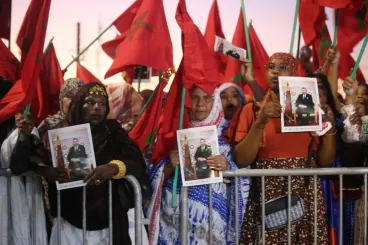
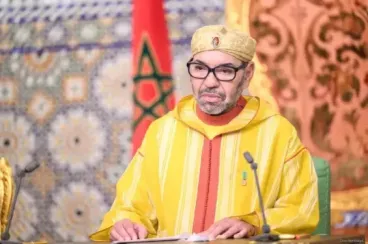
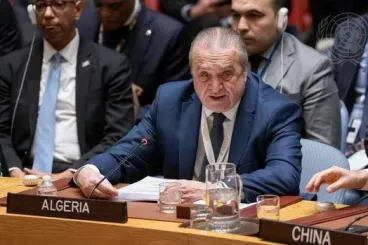
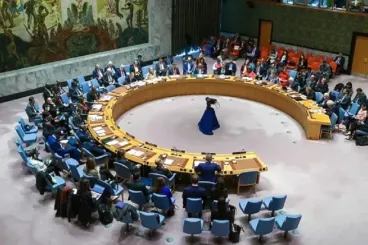
In a landmark address following the UN Security Council's new resolution on the Sahara, King Mohammed VI hailed it as a pivotal moment in Moroccan history, coinciding with the nation's celebrations of the Green March and Independence anniversaries. He seized the moment to address messages both to Algerian President Abdelmadjid Tebboune and to the population of the Tindouf camps.
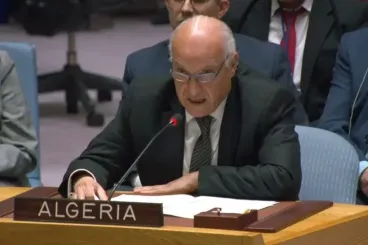
Officially, Algeria continues to present itself as a mere «observer» in the Sahara issue. In reality, however, the facts tell a different story, one that reinforces Morocco’s long-standing belief that Algiers is an active party to the conflict.
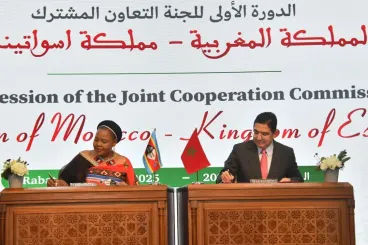
Eswatini's Foreign Minister Pholile Dlamini Shakantu, during her visit to Rabat, reaffirmed her country's unwavering support for Morocco's sovereignty, including backing the 2007 autonomy initiative as the sole viable solution. This visit, marked by the signing of eight cooperation agreements, underscores the deepening ties between Morocco and Eswatini, rooted in shared commitments to regional stability and prosperity.
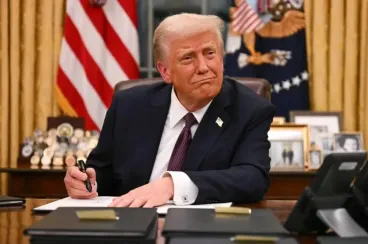
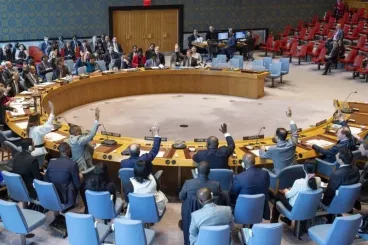
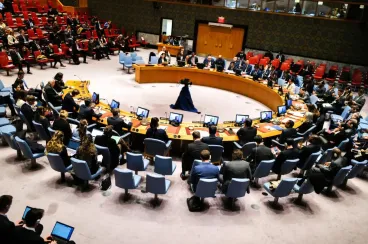
Less than twenty-four hours before the Security Council meeting, the final U.S.-drafted resolution on the Sahara reaffirms the primacy of Morocco’s autonomy plan and delivers a stern warning to the Polisario, despite last-minute amendments.
On the eve of the Security Council’s vote on Thursday to adopt a new resolution extending MINURSO’s mandate in the Sahara for several more months, Algeria appears to be distancing itself from the Polisario, a move that marks a notable shift in Algiers’ long-standing foreign policy on the issue.
 Les articles les plus...









 chargement...