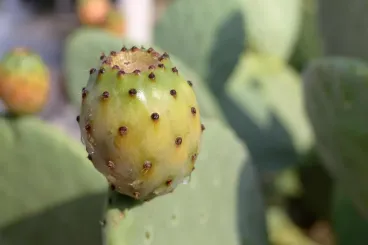
The prickly pear, once dubbed the «fruit of the poor» in Morocco, now faces soaring prices due to a persistent crisis fueled by the devastating cochineal insect and dwindling production. As local farmers grapple with these challenges, experts like Zouhair Sabir highlight the urgent need for stronger state support and strategic market solutions to stabilize this vital sector.
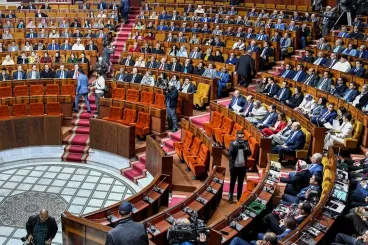
The recent spike in fuel prices in Morocco has sparked a wave of discontent. Lawmakers are pressing the government for transparency and action, questioning the rapid price hikes, inadequate fuel reserves, and the effectiveness of regulatory measures in safeguarding the country's energy security.
Since yesterday, gas prices in Morocco have increased, prompting many motorists to rush to stations to fill their tanks before the new rates took effect. Meanwhile, some stations temporarily closed, citing depleted stocks, which angered customers and led consumer protection associations to call on the government to intervene and regulate the market.
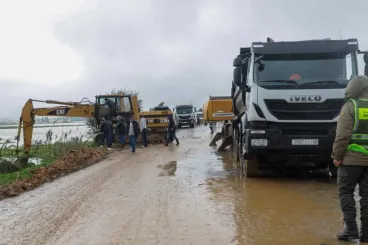
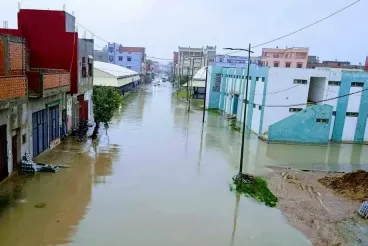
Following the recent floods in Ksar El Kebir, the Association of Mental Health Specialists has launched a remote Psychological Support Hotline to assist those psychologically affected by the disaster. The initiative aims to support both direct victims and those psychologically affected by media coverage of the disaster.
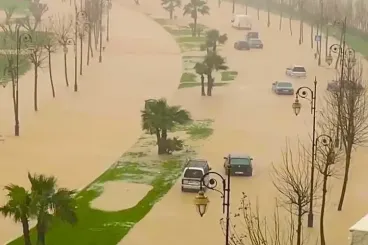
Amid relentless rainfall and rising waters in Ksar El-Kebir, authorities have been compelled to forcibly evacuate families refusing to leave their homes, as the Loukkos River threatens to engulf the area. Despite the challenges, local officials and aid organizations are rallying to provide shelter and support, highlighting the urgent need for psychological aid for those displaced by the crisis.
 Les articles les plus...









 chargement...