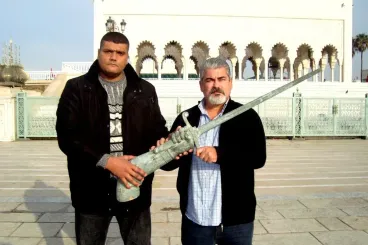
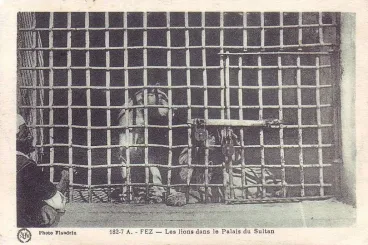
Sultan Moulay Ismaïl of Morocco was nearly killed by a lion in his royal park, reportedly slaying the beast himself with a dagger in a dramatic show of courage. Whether true or embellished, the tale served to reinforce his image as a powerful ruler both at home and abroad.
Amid today’s tangled geopolitical landscape, some alliances of convenience say more about a state's true priorities than its rhetoric. The recent convergence between former U.S. National Security Advisor John Bolton and the Algerian regime over Western Sahara is a telling example.
On Friday, Ecuador announced the opening of its embassy in Morocco, reaffirming its support for Rabat’s autonomy plan for the Sahara. Speaking alongside her Moroccan counterpart, Ecuadorian Foreign Minister Gabriela Sommerfeld hailed the move as a natural step following her country’s withdrawal of recognition of the Polisario.
Morocco and Iran have shared a complex relationship shaped by intellectual exchange, Sufi influence, and failed diplomatic overtures, later compounded by Cold War alliances and ideological tensions. Despite a rich cultural heritage, their ties have repeatedly fractured, most recently in 2018. This article revisits the turbulent history of Moroccan-Iranian relations, tracing their evolution through shifting alliances, rivalries, and ideological fault lines.