In a new international assessment, Morocco received mixed scores regarding its budget governance. The evaluation highlighted slight progress in transparency; however, the country still suffers from a significant lack of citizen engagement, along with limited parliamentary oversight and accountability.
Morocco remained on Tier 2 in the U.S. Trafficking in Persons report, which acknowledged progress in prosecutions, victim identification, and new shelters, but warned that gaps in screening, resources, and frontline capacity continue to undermine efforts.
A number of activists, representing religious minorities in Morocco will hold a national conference on Saturday 18th of November to voice their demands and worries. During the event, they are set to discuss freedom of worship in the kingdom and put forward a set of recommendations to secure their rights.
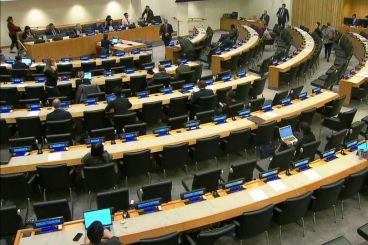
On the Fourth Committee dedicated to Special Political and Decolonization, the Western Sahara conflict continues to divide the member states of the United Nations. On Monday, a number of countries have shown support to Morocco while giving recommendations on the Western Sahara conflict. On the other hand, several states, on Friday, have chosen to back the Polisario Front. Details.
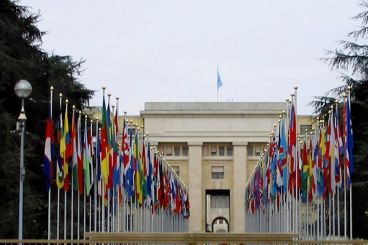
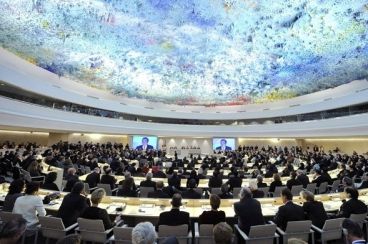
Morocco is scheduled to represent on Thursday 21st of September the recommendation which were officially accepted and refused at the 36th session of the United Nations Human Rights Council in Geneva. The Kingdom’s rejected recommendations, however, have been commented on today by Al Karama Foundation which could not hide its disappointment.
After attending the third cycle of the Universal Periodic Review (UPR) organized by the UN Human Rights Office of the High Commissioner, Morocco will have to present the recommendations that it has taken into consideration. According to a report issued by the ministry in charge of the matter, Morocco has mainly rejected recommendations related to the prosecution of journalists, freedom of belief and homosexuality.
 Les articles les plus...









 chargement...