


 chargement...


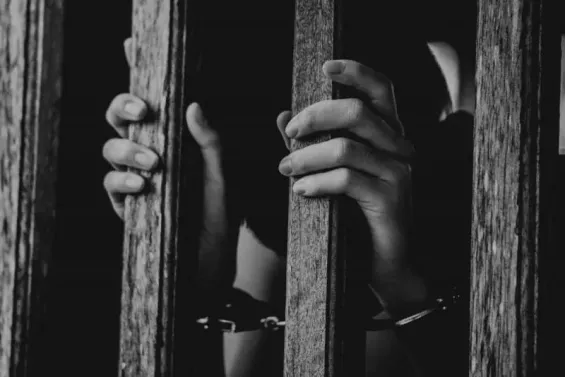
Morocco «does not fully meet the minimum standards for the elimination of trafficking but is making significant efforts to do so», the U.S. Department of State noted in its Trafficking in Persons report. The country therefore remained on Tier 2, though it showed progress compared to the previous year.
On the prosecution front, Morocco stepped up law enforcement against trafficking. Law 27.14 criminalizes sex and labor trafficking, prescribing penalties of 5–10 years in prison and heavy fines, and up to 30 years for child victims, «sufficiently stringent» and comparable to punishments for rape.
In 2024, authorities investigated 204 suspects, up from 119 the year before, and initiated 213 prosecutions, mostly for sex trafficking, compared with 171 in 2023. However, courts convicted 60 traffickers, down from 82, including 53 for sex trafficking. The report also highlighted progress with specialized prosecutors now operating in all 22 courts of appeal. Yet, «front-line officials continued to lack an understanding of trafficking», undermining identification and investigations.
Protection and prevention efforts
In terms of protection, the government identified 452 potential victims in 2024, confirming 229, an increase from 169 in 2023. Victims received medical, psychosocial, and legal assistance, while shelters were expanded with NGO support. Still, NGOs warned that «weak proactive identification and underutilization of available shelters impeded protection efforts». The report also highlights the opening of Morocco’s first specialized shelter in Tangier and compeletion of a second in Fez, though the latter was not yet operational. Services exist primarily for women and children, with limited access for men. Courts also ordered compensation for 23 victims in 2024.
On prevention, the report noted that the national anti-trafficking commission met five times, but civil society warned it lacked resources and staff. Morocco continued to implement its 2023–2030 national strategy, with awareness campaigns, hotlines, and training for law enforcement and diplomats. However, the hotline was described as «periodically inactive», while demand-reduction measures on sex trafficking remained limited.
Finally, the report drew a broad profile of trafficking in Morocco, stressing that it affects both Moroccans and migrants. Moroccan children are exploited in domestic servitude, forced begging, and sex trafficking, with rural communities increasingly vulnerable due to drought. Migrants, particularly from sub-Saharan Africa, face acute risks of domestic servitude and sex trafficking, NGOs reported that 90 percent of identified victims in 2024 were Ivoirian women. Moroccan workers abroad, especially in Europe and the Gulf, are also subject to forced labor and sexual exploitation, while some are recruited under false pretenses for jobs in Southeast Asia and then forced into abusive labor or scam operations.
The report included a series of recommendations for Morocco to step up its efforts against human trafficking. It urged the country to strengthen victim identification and referral mechanisms by establishing standard operating procedures (SOPs) to proactively screen vulnerable populations, including undocumented migrants, and to fully implement the National Referral Mechanism (NRM). Judicial and law enforcement officials, civil society, and other protection actors should also be trained to apply these tools effectively.
The report further called for building greater capacity among front-line officials to distinguish trafficking cases from migrant smuggling, to ensure victims are efficiently referred to shelters, psychosocial services, and legal aid, and to expand cooperation with civil society in both victim identification and policy development.
To improve protection, the report recommended expanding specialized services such as shelters, psychosocial care, legal aid, and repatriation support. It also stressed the need to strengthen partnerships with NGOs and increase government support to entities providing these services.
On the institutional level, the U.S. report urged Morocco to allocate more resources and personnel to the national anti-trafficking commission so it can effectively fulfill its coordination role.
For accountability, Morocco was advised to intensify investigations and prosecutions of trafficking crimes, including those involving complicit officials, and to impose significant prison terms on convicted traffickers. At the same time, authorities should ensure that victims are not penalized for unlawful acts committed as a direct result of being trafficked, such as prostitution or immigration violations.
Finally, the report called for improved law enforcement data collection to ensure accurate reporting and clear distinctions between trafficking crimes and migrant smuggling.




 Fil Info