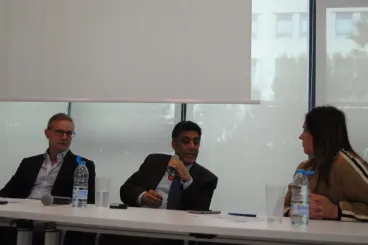
Between Barcelona and the villages of the Middle Atlas, Mohamed Alami’s journey unfolds as the story of a migrant who turned his attachment to his homeland into a comprehensive civic project. For more than a quarter of a century, the president of the “Friends of the Moroccan People” association has led social and development initiatives targeting vulnerable communities in Morocco, placing education, healthcare and economic empowerment at the heart of his work on the ground.
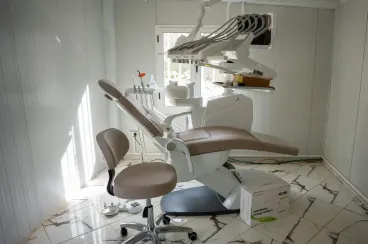
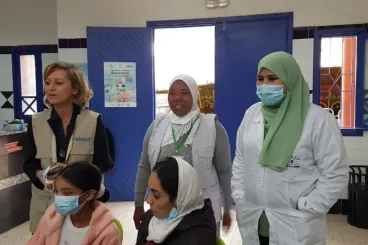
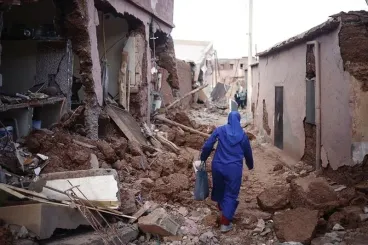
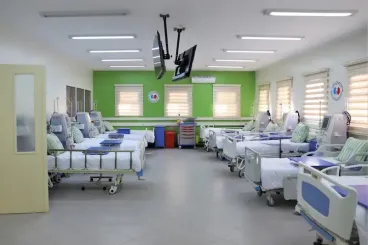
After the Al Haouz earthquake destroyed Aghbar’s only rural dispensary, Basma Foundation set up a temporary prefab clinic to provide free healthcare to residents of the remote mountain commune. Today, the facility is being transformed into a dental care center with regular free medical caravans.
In Morocco, osteopathy is not recognized as a medical practice. It is also not included in the regulatory framework for healthcare professions and related training. However, the development of modern therapeutic practices highlights its importance in the comprehensive care of patients, whether elderly or very young.
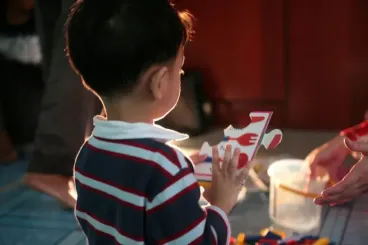
A mobile application based on artificial intelligence (AI) will enable early and widespread diagnosis of autism (ASD) and neurodevelopmental disorders in children in Morocco. Developed by BlinkLab, this tool has been selected for the national program in the country, thus offering a method accessible via smartphone.
In a landmark move, Spain's government has approved a royal decree enabling undocumented migrants to access publicly funded healthcare, standardizing access across regions and simplifying administrative processes. The new measure, which emphasizes support for vulnerable groups and economic fairness, marks a significant shift in healthcare policy, ensuring immediate medical access and broader eligibility for both residents and Spaniards abroad.
 Les articles les plus...









 chargement...