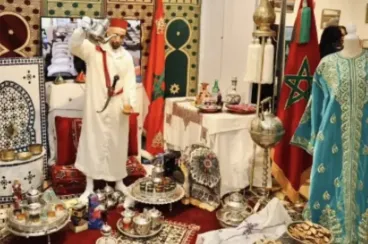
Morocco will offer 200 scholarships to students from Niger for the 2026–2027 academic year, according to a statement by Niger’s National Agency for Grants and Scholarships (ANAB) dated May 20. The scholarships will allow Nigerien students to pursue higher, technical, and vocational education in Moroccan public institutions. According to the announcement, the program is open to holders of the 2025 and 2026 baccalaureate with honors, aged between 19 and 23. Applications are also
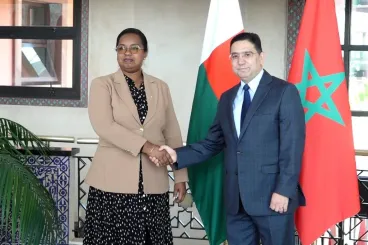
Morocco has secured a new wave of diplomatic backing for its sovereignty over the Sahara and its autonomy plan, following a series of meetings led by Foreign Minister Nasser Bourita in Rabat. Madagascar’s renewed support stands out as a notable gain in Southern Africa, a region traditionally influenced by Pretoria and the Polisario’s closest allies.
A court in Quebec has ruled in favor of Jamal Lahrour, deputy King’s prosecutor at the Aïn Sebaâ criminal court in Casablanca, and Mohamed Loulidi, police governor in Tetouan, in a defamation case against YouTuber Hicham Jerando. The Superior Court of Quebec, District of Montreal, ordered Jerando to permanently remove all videos deemed defamatory toward the two officials from publicly accessible platforms. He was also permanently barred from publishing or disseminating,
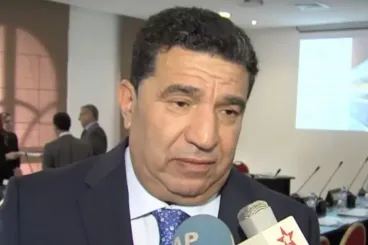
The trial of Mohamed Moubdii came to a close on Thursday, with the Casablanca Court of Appeal sentencing the former minister delegate in charge of the Civil Service under the Benkirane II government to 13 years in prison without parole. Moubdii, a senior figure in the Popular Movement, was convicted on charges including embezzlement of public funds, abuse of power, corruption, and the falsification of private, commercial, and official documents. The former head of the municipal council of
Morocco is stepping up support for its gaming industry as authorities seek to turn local studios into the country’s first tech «unicorns» and boost revenues from the creative economy. According to Bloomberg, the state-backed credit guarantee agency Tamwilcom is set to sign financing agreements this week with three Moroccan gaming studios, each expected to receive backing worth «millions of dirhams», according to Minister of Youth, Culture and Communication
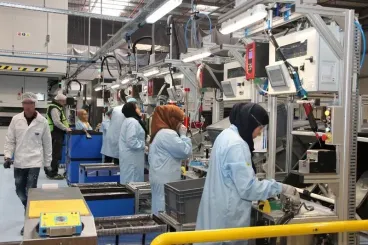
Au Maroc, la faible participation des femmes au marché du travail, l’ampleur de l’emploi informel et le vieillissement rapide de la population exercent une pression croissante sur la viabilité des régimes de retraite et des systèmes de protection sociale, selon un nouveau rapport du HCP. L’étude estime que l’extension de la couverture sociale ne suffira pas à elle seule, sans réformes plus profondes
Les récurrentes tensions entre les délégations marocaine et algérienne ont dégénéré, ce mercredi, en marge de la Semaine africaine 2026 de l’UNESCO à Paris. Des vidéos relayées sur les réseaux sociaux montrent des membres des deux camps s’invectiver, avant une brève altercation physique rapidement maîtrisée. Depuis, Marocains et Algériens se renvoient la
Las tensiones recurrentes entre las delegaciones marroquí y argelina desembocaron este miércoles en incidentes durante la Semana Africana 2026 de la UNESCO, celebrada en París. En varios videos difundidos en redes sociales se ve a miembros de ambos grupos intercambiando insultos antes de un breve altercado físico, rápidamente contenido. Desde entonces, marroquíes y argelinos se responsabilizan mutuamente de lo ocurrido, un episodio que ha provocado
Morocco’s low female labor participation, widespread informal employment, and rapidly aging population are putting growing pressure on the sustainability of pensions and social protection systems, according to a new HCP report. The study argues that extending social coverage alone will not be enough without deeper reforms aimed at expanding formal employment and increasing women’s participation in the economy.
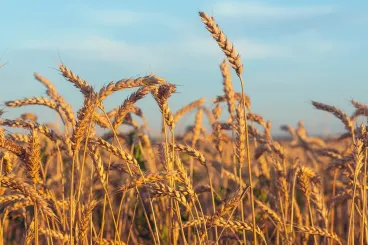
In a fresh warning that highlights a silent crisis threatening food security and national sovereignty, the Economic, Social and Environmental Council has revealed that nearly 75 percent of Morocco’s local wheat and barley varieties have disappeared in just five decades, driven by the standardization of production methods, the spread of hybrid varieties and the intensification of agricultural exploitation.
 Les articles les plus...









 chargement...