Thanks to its free trade policy, Morocco has undeniably become the economic bridge between Europe and Africa. While the results of this approach are well illustrated in the industrial sector, the contrasts they reveal in agriculture raise questions about the local distribution of these benefits.
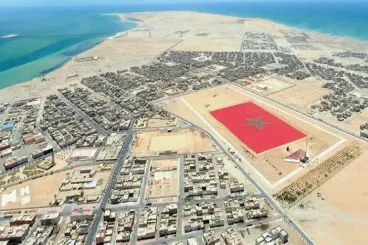
Morocco’s strategy for the economic development of the Sahara is drawing the attention of global powers, according to an American media outlet that has examined this political approach in detail.
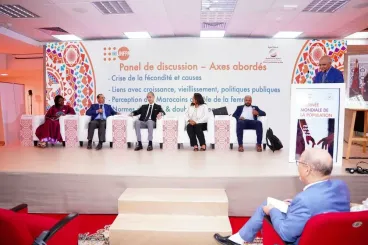
Two days ahead of World Population Day, Morocco’s High Commission for Planning (HCP) and the UNFPA unveiled striking data on fertility trends, both globally and nationally. The figures point to a steady decline, driven by a complex combination of social and economic factors.
A recent Afrobarometer survey reveals that unemployment is the top concern among young Moroccans, with nearly one-third saying they have «frequently» considered leaving the country for economic reasons.
 Les articles les plus...









 chargement...





![Unemployment tops youth concerns in Morocco, with one-third considering migration [Survey]](https://static.yabiladi.com/files/articles/yabiladi.c39c043e386aadd2fabe04fa30ac926820250625160155chaabi-.webp)