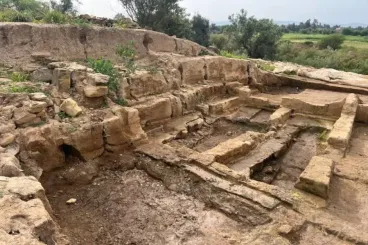
A groundbreaking study from the University of Córdoba has potentially pinpointed the elusive site of Al-Madîna al-Zâhira, a key city from Al-Andalus's Muslim past, using advanced LiDAR technology to reveal hidden structures beneath La Pendolilla. This discovery could redefine historical narratives by providing tangible evidence of the city's existence, offering a new avenue for archaeological exploration.
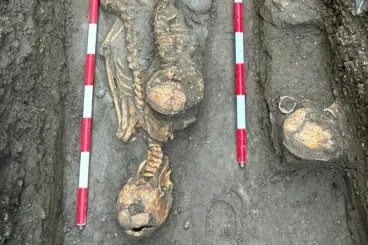
A group of archaeologists recently uncovered twelve graves in one of the two Muslim necropolises dating from the 8th to the 15th centuries in Estepona, in the province of Málaga. This discovery further enriches the scientific data on Al-Andalus and the Muslim past of Andalusia.
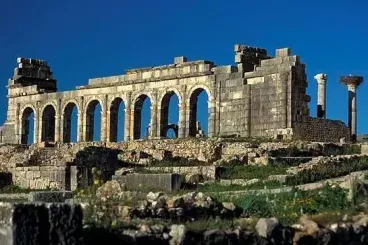
«Walili II: From the Awrabas to the Marinids» is a groundbreaking archaeological project led by Moroccan and British scientists, unearthing new insights into the Islamic period of Volubilis. Directed by Asmae El Kacimi and Corisande Fenwick, the research reveals crucial artifacts and coins that illuminate the city's evolution from the 7th to the 14th century, enriching our understanding of Morocco's early Islamic history.
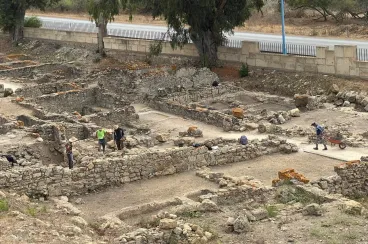
Not far from the modern city of Larache, the ancient site of Lixus stands as one of the key centers of fish-salting production that defined the golden age of the Mauretanian-Roman civilization. Active between the 1st century BCE and the 5th century CE, its vast facilities rank among the most important within the Roman Empire, producing garum and salted fish that were exported across the Mediterranean.
 Les articles les plus...









 chargement...