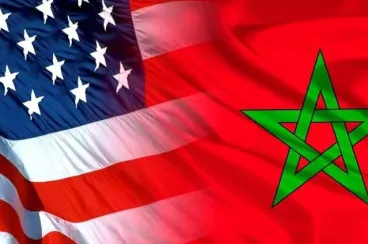
In a report titled «Gaza Genocide: a collective crime», UN Special Rapporteur Francesca Albanese accuses Morocco and 62 other countries of complicity in the alleged genocide in Gaza, citing their role in facilitating military supplies to Israel. The report highlights Morocco's involvement in military exercises and increased trade with Israel.
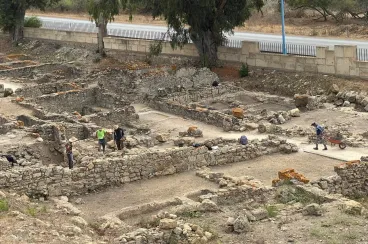
Not far from the modern city of Larache, the ancient site of Lixus stands as one of the key centers of fish-salting production that defined the golden age of the Mauretanian-Roman civilization. Active between the 1st century BCE and the 5th century CE, its vast facilities rank among the most important within the Roman Empire, producing garum and salted fish that were exported across the Mediterranean.
 Les articles les plus...









 chargement...