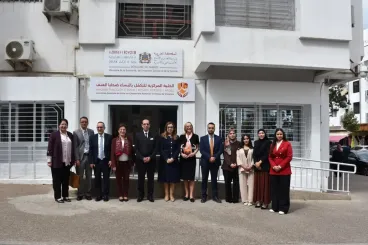
The central unit dedicated to supporting women victims of violence, under the Ministry of Solidarity, Social Integration, and Family, was officially inaugurated Friday in Rabat. The event saw the participation of key officials and representatives from both national and international organizations. Among those present at the inauguration ceremony were Minister Naima Benyahya, the Attorney General of the King at the Court of Cassation and President of the Public Prosecutor's Office, Hicham
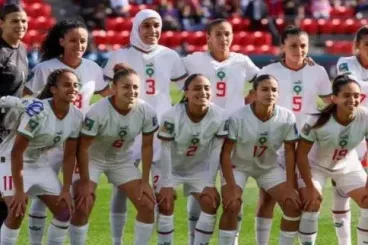
Morocco has made impressive strides in the latest FIFA women's world rankings, climbing four spots to secure the 62nd position, as announced on Tuesday. Thanks to three wins in friendly matches, the Atlas Lionesses have boosted their score to 1402.88 points, up from 1399.54 in the December 2025 rankings. In the African rankings, Morocco holds the 4th position, following Nigeria (36th globally, +1), South Africa (58th, -3), and Ghana (59th, +3). Zambia, maintaining its 64th place globally,
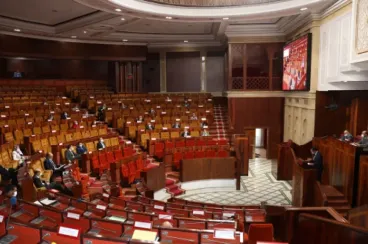
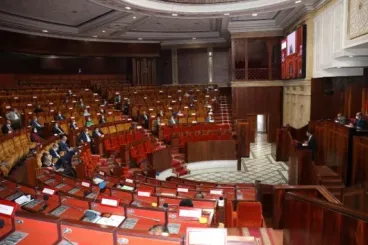
The Support Fund for the Promotion of Women's Representation's central committee has greenlit 107 projects under its latest call for projects, No. 11. Of these, three were put forward by political parties, one by a parallel organization, and the rest by civil society associations. This decision was reached during a meeting held in Rabat to discuss the outcomes of this call for projects. The session was led by Samir Mohammed Tazi, Wali, Secretary General of the Ministry of the Interior, and
Over the past generation, Morocco’s family structure has undergone significant changes. While the family remains a central pillar of society, it has increasingly shifted toward a more nuclear model between 1995 and 2025, with smaller households and fewer multigenerational arrangements. Released last week by the High Commission for Planning (HCP), the National Family Survey (NFS) highlights the impact of demographic shifts, describing a «progressive reshaping» of Moroccan
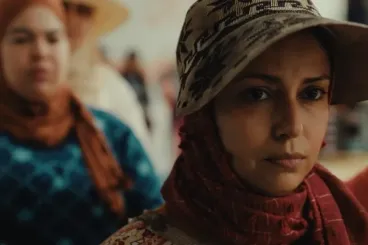
The latest feature film by Moroccan director Laïla Marrakchi, «La Más Dulce», has been selected for the prestigious Cannes Film Festival, set to take place from May 12 to 23, 2026, in France. The film will compete in the Un Certain Regard category, as announced yesterday by the Moroccan Cinematographic Center (CCM). This Moroccan, French, Spanish, and Belgian co-production tells the compelling story of two young women who leave Morocco to work as seasonal laborers in the
On Monday, the Democratic Association of Moroccan Women (ADFM) issued an open letter to the general secretaries of political parties, urging them to take responsibility for advancing women's participation in politics. This letter, obtained by Yabiladi, comes in the wake of Morocco's 101st global ranking in female representation, as reported by the Inter-Parliamentary Union. The ADFM questions the role political parties have played in empowering women politically, especially 15 years after
Chef Nawal Rezagui has recently been honored with a Michelin star, fulfilling a dream she has cherished for years. For the past two years, she has been at the helm of L’Alcôve in Vinay (Marne), following a significant career shift a decade ago when she left Morocco. Upon receiving her first star from this prestigious guide, she spoke with France 3 régions, describing the accolade as a testament to «many things, to hard work, to sacrifice», and a reflection of her
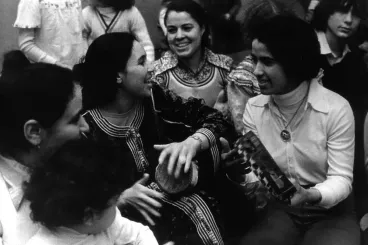
Among the first North African migrants to France, many women were far more than homemakers. This is what French-Moroccan sociologist and journalist Samia Chabani seeks to highlight through her work with documentation and private archives, which trace the migratory journeys of these often-overlooked pioneers. In 2006, she founded the association Ancrages and brought these stories to life in the exhibition Portraits of Women from Immigration in Marseille. Twenty years later, the project has
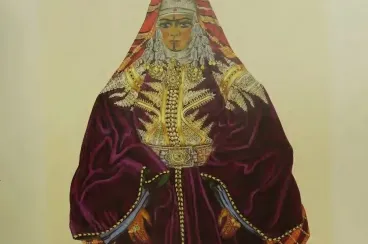
From its roots in the 11th to 13th centuries, the caftan has been a symbol of elegance and cultural evolution in Morocco, adapting through the ages and dynasties. From the Almoravids (1056–1147) to the Almohads (1121–1269), the Marinids (1248–1465), the Saadians (1549/1554–1659), and the Alaouites (from 1666 to the present day), the caftan has been influenced by the progression of textile production and cultural exchanges between North Africa and Al-Andalus. By the 14th
At the end of the 15th century, 1492 marked the fall of Granada, bringing an end to eight centuries of Muslim rule in Al-Andalus. The completion of the Reconquista (1212–1492) triggered a major regional upheaval, reshaping the political landscape and profoundly affecting the lives of Andalusian Muslim and Jewish families who sought refuge in northern Morocco, where the caftan was already worn between the 11th and 13th centuries. This historic turning point transformed cities, landscapes,



 chargement...