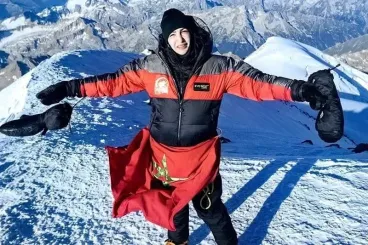
After recently conquering Mount Denali in Alaska, the highest peak in North America, Moroccan mountaineer Hind Zemmama says she is ready to take on new challenges as she continues to push the limits of her sporting ambitions. Describing the ascent of Denali, which rises to 6,190 meters, as a moment of «great emotion and pride», Zemmama said in an interview with MAP that she had prepared for the expedition in a «rigorous and disciplined» manner. «My ascent of
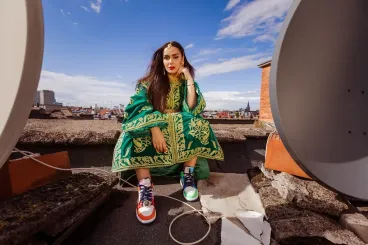
A thousand-year-old craft among Morocco’s Amazigh tribes, jewelry has long been worn alongside traditional dress. These adornments, fibulae, diadems, bracelets and earrings, were crafted in villages and medinas by artisans who drew on motifs inspired by nature, local beliefs and the land, blending spiritual and aesthetic influences. Having grown up immersed in this culture in Marrakech, writer Ifri, who is now based in the United States, is helping to tell the story of this heritage.
During the 2026 FIFA World Cup in Canada, the United States and Mexico, Belgian-Moroccan DJ Lady S will take to the stage at Flushing Meadows Park in New York. Sharing the lineup with artists such as Busta Rhymes, Nas and Carnival, she is set to perform before and after matches. Just weeks before the tournament kicks off, Sahira Chadouli, as she is known offstage, told Belgian outlet GVA that she would be representing both of her countries of origin: Belgium and Morocco. The artist is
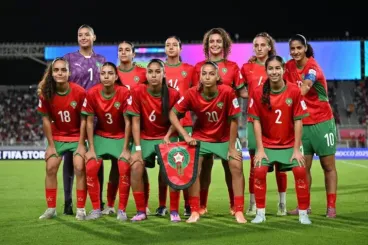
The draw for the FIFA U-17 Women’s World Cup Morocco 2026, held on Thursday in Zurich, placed the Moroccan national team in Group A alongside New Zealand, Germany and Argentina. Hosting the tournament for the second consecutive year, Morocco will be looking to get past the first round against a Germany side returning after missing the last two editions, and an Argentina team set to make its first-ever appearance at the U-17 Women’s World Cup. Defending champions DPR Korea were
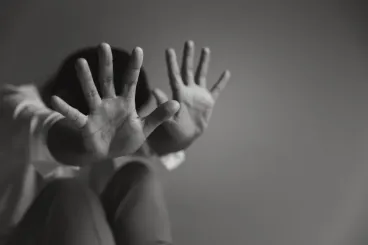
Despite efforts to improve support for rape victims, including minors and people with disabilities, the sentences handed down often remain below what the law provides for. This week, a court in Beni Mellal sentenced four men to five years in prison for the gang rape of a 24-year-old woman with a mental disability who became pregnant. The victim had reportedly already been raped in 2018 by one of the same defendants and gave birth to a first child, but is said to have accused someone else at the
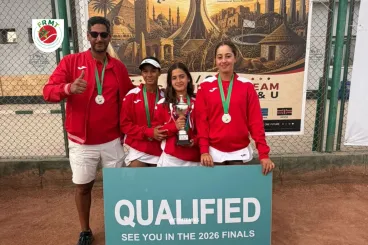
The Moroccan national girls' tennis team showcased remarkable talent at the 15th African U14 Tennis Championship held in Cairo, Egypt, wrapping up their campaign on Saturday. The team secured a commendable second place after a closely contested 2-1 defeat against Egypt in the finals. Throughout the tournament, Morocco demonstrated their prowess with victories over South Africa, Kenya, Botswana, and Tunisia. The squad, featuring Dina Jaoued, Joumana El Ouazzani, and Nouha Touimi, has earned a
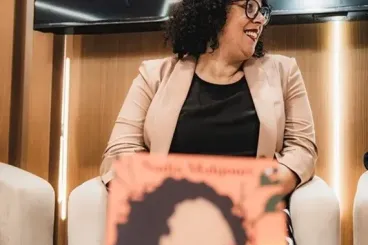
Growing up far from her Moroccan paternal roots, Nadia Mahjouri, whose mother is Australian, long held onto her parents’ wedding photo as a symbol of her dual heritage. The birth of her first child, carrying that same blend of identities, pushed her to reconnect more deeply with her Moroccan roots. Wanting to offer her child a fuller understanding of their heritage, Mahjouri embarked on a journey from Australia to Morocco to uncover untold parts of her family history. That deeply
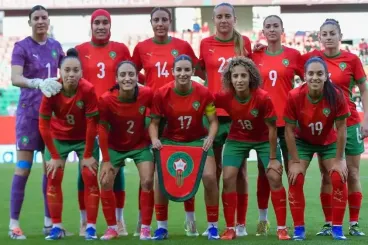
The national women's football team is set to face off against the Democratic Republic of Congo in the second round of the African qualifiers for the Los Angeles 2028 Olympic Games. The draw, conducted on Wednesday at the Confederation of African Football (CAF) headquarters in Cairo, determined that these second-round clashes will occur between October 5 and 13. Should they advance, the national team will compete in the third round against the winner of the initial match between Sudan/Comoros
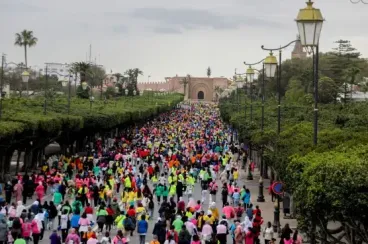
The 16th edition of the Women’s Victory Run, organized Sunday in Rabat by the «Women, Achievements, and Values» Association, drew more than 12,000 participants of all ages. This year’s event stood out for the strong participation of Moroccan women living abroad, as well as students from other African countries. It also featured a notable presence from organizations such as Special Olympics Morocco and the Lalla Asmaa Foundation for Deaf and Hearing-Impaired
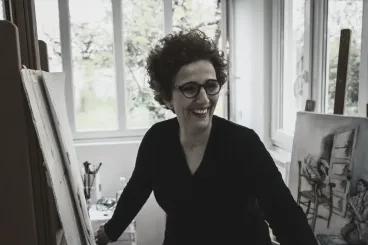
Born in Ardèche to a Moroccan working-class family that had settled in France, Mériame Mezgueldi grew up amid the significant social transformations of the 1970s and 1980s. With a mason father and a homemaker mother, she is one of eleven siblings who were committed to achieving success through education and professional training. Yet, Mériame Mezgueldi chose a different path, driven by her passion for drawing and painting. Encouraged by her father, she moved to Lyon in



 chargement...