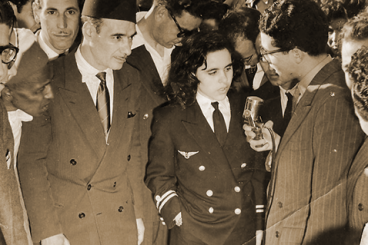
Touria Chaoui is the first Moroccan and Arab young woman to consider flying. Daughter of an intellectual and a forward-thinking father, she successfully became a female pilote, a hero for so many girls in the Kingdom at a time when the French protectorate was still taking control of the country. However, Touria’s success story and glorious achievement took a tragic turn when she was only 19 years old in a glaucous yet mysterious incident. Touria is now resting at the Ahl Fas cemetery in
The Confederation of African Football (CAF) has postponed the Women’s Africa Cup of Nations 2026 (WAFCON), which Morocco is set to host, from its initial dates of March 17–April 3, 2026 to July 25–August 16, 2026. In a statement released Thursday, CAF said the decision followed discussions with its partners, including FIFA, and other stakeholders involved in organizing the tournament. The body said the change was intended to ensure the success of the competition, citing
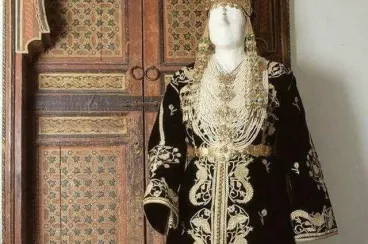
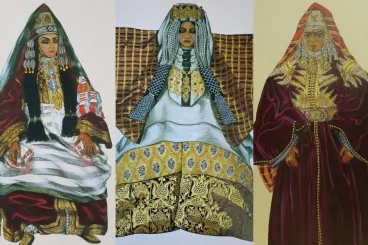
In the early 16th century, the Andalusian-born diplomat Hassan al-Wazzan, better known as Leo Africanus, authored the seminal work Description of Africa. The book offered valuable insights into the medieval southern Mediterranean and documented local customs and traditions. Among them was the caftan of Fez, described as a «long garment open at the front, worn by both men and women». Over the centuries, Fez, Morocco’s spiritual capital, has inherited a rich tradition of
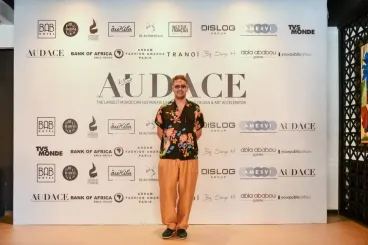
Youness Bouchida has always been driven by a deep passion for Made in Morocco. By merging fashion, design, and creativity, he has transformed Initiative Audace into more than just an incubator. Through his company, he amplifies the visibility of established Moroccan brands, helping national innovations reach global markets. As the president of fashion and design at the Federation of Cultural and Creative Industries (FICC) within the General Confederation of Moroccan Entrepreneurs (CGEM), he is
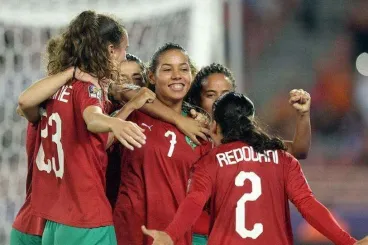
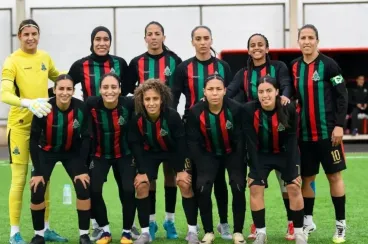
Morocco's national team captain, Ghizlane Chebbak, is set to lead an "experienced" squad in the upcoming Women's Africa Cup of Nations (CAN 2026), which will be hosted on home soil, as reported by the Confederation of African Football (CAF) on Friday. In a feature article previewing the major sporting event, scheduled from March 17 to April 3, 2026, the organization highlighted the diverse and complementary profiles of the 32 Lionesses of the Atlas selected for a training camp this week,
Since at least the 11th century, the Moroccan caftan has been woven into history, evolving into a powerful cultural emblem. Initially worn in a simple form under the Almoravids (1056–1147), it gained broader prominence during the Almohad era (1121–1269), when their influence extended across North Africa and into Al-Andalus. At the time, Muslim Iberia was renowned for its textile craftsmanship. Family-based weaving industries flourished, marking a golden age of textile production
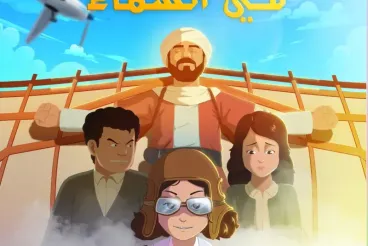
To mark the month of Ramadan, 2M is airing the daily animated series «Maghariba Fi Samae | The Moroccans of the Sky». Produced by Artcoustic, the original series consists of 20 four-minute episodes designed to combine «transmission, memory, and inspiration» within an educational framework. The first season tells the story of Touria Chaoui, the first Moroccan and Arab female pilot. According to a press release, the series will soon also be broadcast on TV5MONDE, reaching
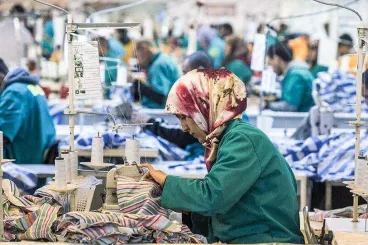
While Morocco’s unemployment rate stood at 13% in 2025, marking a slight annual decline of 0.3 percentage points, the situation for women remains particularly worrying. According to an information note released by the High Commission for Planning (HCP) on the annual labor market situation, unemployment among women increased by 1.1 percentage points, reaching 20.5%, compared with a 0.8-point decline among men, whose unemployment rate fell to 10.8%. Overall, 1.62 million people are
AS FAR’s women’s team suffered a 0–4 defeat on Sunday against American side Gotham FC in the third-place match of the FIFA Women’s Club World Cup, played at the iconic Emirates Stadium in London. Gotham FC’s goals were scored by Khyah Harper (27th minute), Savannah McCaskill (38th), Jaedyn Shaw (43rd, penalty), and Midge Purce (48th). Despite the loss, the Moroccan side delivered a strong performance, displaying technical quality, pace, and collective cohesion. Up
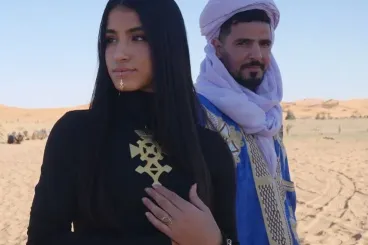
In pre-Islamic North Africa, tattooing served both medical and aesthetic purposes. Beyond adornment, it functioned as a marker of tribal affiliation and a form of protection against the evil eye. Passed down through generations, these practices endured particularly in regions such as the Rif, the Atlas, Jbala, Tafilalet, and Azemmour. In some parts of Morocco, this ancestral ritual survives thanks to its guardians, who reproduce its motifs not only on skin but also on pottery, tapestries, and



 chargement...