


 chargement...


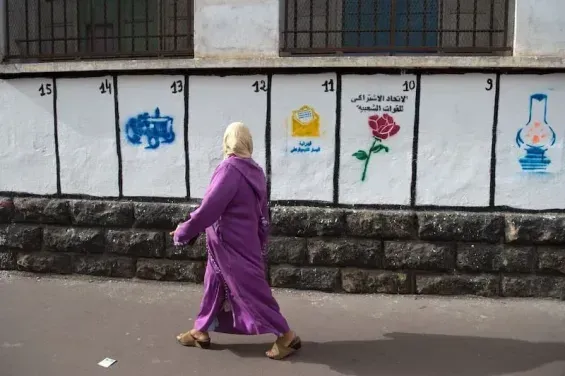
Morocco ranked 25th in the latest Electoral Vulnerability Index published by the Kofi Annan Foundation and one of its partner organizations, placing it among the countries considered at moderate risk of election-related violence.
The index, which uses a broad range of political, social, economic and governance indicators, is designed to identify elections facing heightened risks of instability. Countries ranked closer to the top are considered more vulnerable.
Morocco received a score of 48.1 points, with higher scores indicating greater vulnerability. The report estimates the likelihood of election-related violence at 91.2%, including a 5.1% probability of severe violence and an 86.1% probability of moderate violence.
Compared with its regional peers, Morocco fares better than many African countries and performs more favorably than Algeria, which ranked 18th, and Libya, which came in 12th. It is, however, close to Tunisia, which placed 24th. Morocco remains well behind the levels of stability recorded in several Western democracies.
Among the countries facing the highest levels of electoral vulnerability are Guatemala, Gambia, Armenia, Lesotho, Brazil and Montenegro. At the opposite end of the ranking, Finland recorded the lowest level of electoral vulnerability, followed by Sweden, Switzerland, New Zealand and Spain.
The report stresses that elections are a key mechanism for ensuring the peaceful transfer of power, but warns that political polarization, weak institutions and declining public trust can turn electoral processes into sources of tension and instability.
It also highlights the growing role of social media and digital technologies in elections. While these tools can enhance voter engagement and civic education, they can also contribute to polarization, facilitate the spread of misinformation and undermine trust in democratic institutions.




 Fil Info