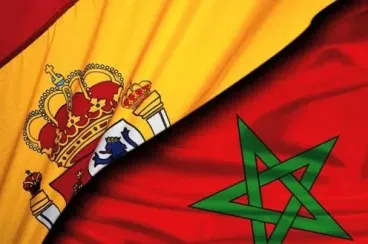
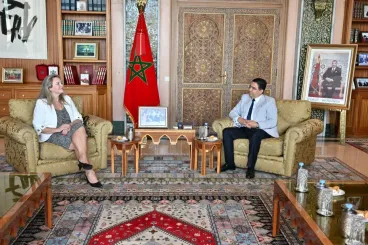
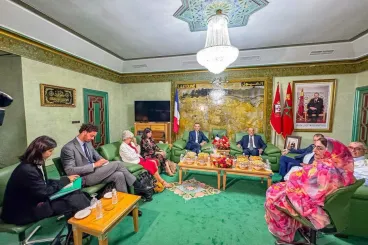
Morocco has reached a new milestone in its academic cooperation with Spain, with the Sahara now included in university partnerships and a visit by rectors from the Canary Islands to Dakhla and Laâyoune. The momentum has irritated the Polisario, especially as one of the officials in attendance, once close to its positions, now represents a symbolic setback for the Front.
Weakened by a series of diplomatic setbacks in Latin America and facing dwindling international support, the Polisario is stepping up its initiatives in southern Africa, seen as its last major stronghold.
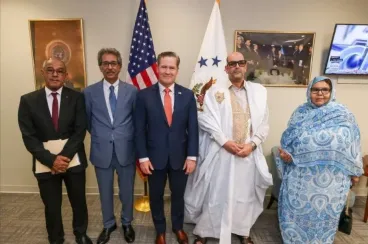
The Polisario senses the tide is turning. A dissident offshoot of the Front, the Sahrawi Movement for Peace (MSP) was received yesterday by the United States representative to the United Nations. The MSP, which advocates a «third way» in resolving the Sahara issue, has already called for broadening «the base of Sahrawi actors» involved in negotiations conducted under UN auspices.
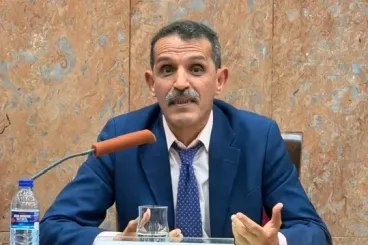
The proposal to grant Spanish nationality to Sahrawis is generating significant interest both in the Sahara and in the Tindouf camps. In this interview with Yabiladi, Bahi Larbi Ennass, a former Polisario member and president of the Laayoune Center for Strategic Studies, examines the stakes behind the initiative, explores the motivations driving it, and assesses its potential implications for the main actors involved in the Western Sahara issue.
The Polisario’s allies in the British Parliament are seeking to influence the foreign policy direction of the next Labour government, hoping to persuade London to reverse its support for Morocco’s autonomy plan.
 Les articles les plus...









 chargement...