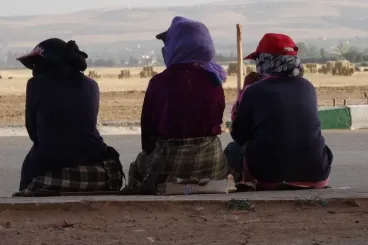
In Morocco, the number of young people aged 15 to 29 who are neither employed, in school, nor in training (NEET) stands at 2.9 million. Among them, 72% are women and girls, according to a new report by the High Commission for Planning (HCP), in partnership with the ILO and the EU. Speaking to Yabiladi, sociologist Hakima Laala analyzes the complex process that leaves these individuals at the edge of despair.
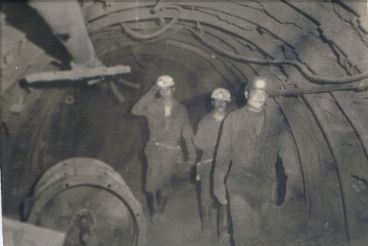
Coal mining in Jerada, first active in the 1930's, has made of it a hub for workers. Engaged in trade unionist activities, miners have led to the creation of the UMT, one of the oldest trade unions in Morocco. Flashback.
A recent study by the Royal Elcano Institute reveals that Moroccan immigrants in Spain face the highest unemployment rates and educational challenges among immigrant groups, with a staggering 27% unemployment rate and significant school dropout concerns. Despite their crucial role in agriculture, Moroccans endure precarious working conditions, underscoring the urgent need for targeted policies to address these persistent socio-economic issues.
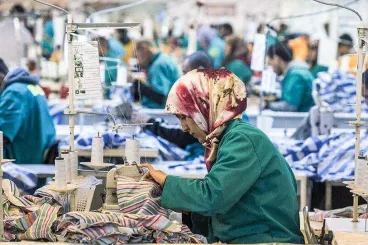
Over the past year, the unemployment rate among women rose sharply by 1.1 percentage points, reaching 20.5% in 2025. These figures from the HCP are particularly alarming, as they confirm a sustained and unprecedented upward trend, despite numerous public initiatives launched over the years to curb it.
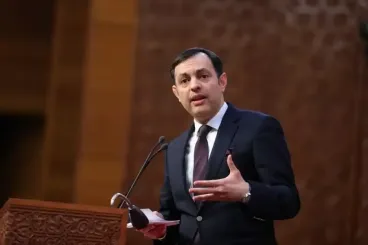
Bank Al-Maghrib sees growth accelerating to 4.6% in 2025 while inflation stays near record lows at 1% this year, but job creation has slowed sharply with only 5,000 net jobs added in Q2 2025. Governor Abdellatif Jouahri also highlighted ongoing talks with the EU over Moroccan banks’ branches abroad and confirmed work on a new banking law to update prudential rules and consumer protections.
Still reeling from the severe impact of drought, Morocco’s agricultural sector continues to struggle with job losses and workforce recovery. By the second quarter of 2025, the national unemployment rate had declined by just 0.3%, settling at 12.8%. However, the figures reveal a notable increase in unemployment among women, while a significant portion of the workforce remains underemployed.
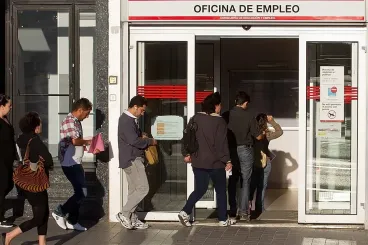
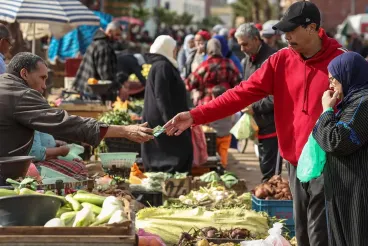
A recent Afrobarometer survey reveals that unemployment is the top concern among young Moroccans, with nearly one-third saying they have «frequently» considered leaving the country for economic reasons.
 Les articles les plus...









 chargement...






![Unemployment tops youth concerns in Morocco, with one-third considering migration [Survey]](https://static.yabiladi.com/files/articles/yabiladi.c39c043e386aadd2fabe04fa30ac926820250625160155chaabi-.webp)