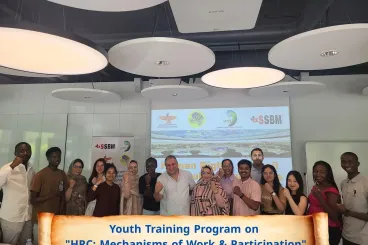
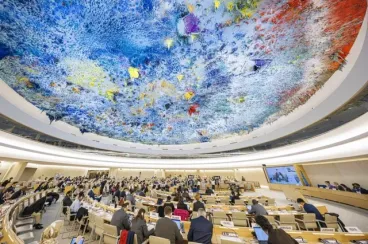
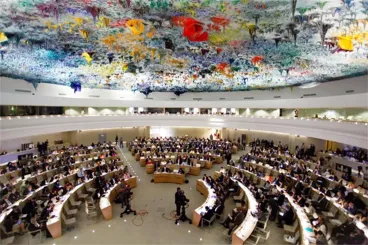
In Geneva, prominent figures from Sahrawi civil society are speaking out and sharing their insights. Over the course of ten days, they are educating Swiss students about the realities on the ground, the geopolitical stakes in the Sahara, and the workings of international human rights mechanisms. This initiative offers a unique bridge between the Global South and North, blending activist voices with academic training.
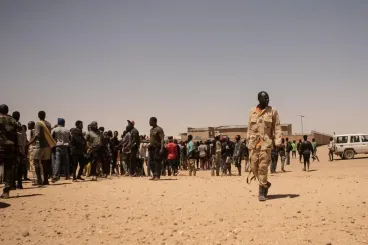
From Geneva, civil society actors issued a call during a recent meeting urging the United Nations to ensure protection for Sahrawis in the Tindouf camps by granting them official refugee status, a right denied for the past 50 years due to the Polisario Front and Algeria’s determination to use the camp population as leverage in their ongoing conflict with Morocco.
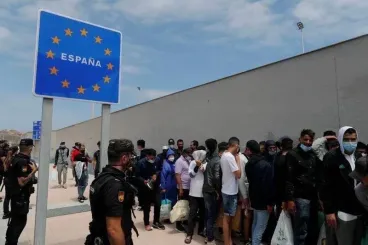
The organization Don’t Touch My Child revealed that a Spanish police officer exploited Moroccan migrants, including minors, in exchange for assistance with asylum procedures. The organization strongly condemned the acts, expressed full support for the victims, and affirmed its commitment to pursuing legal action in the case.
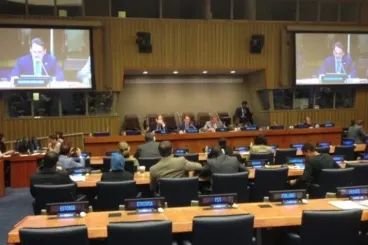
In a now-familiar scene, Tuesday’s session of the United Nations General Assembly’s Special Committee on Decolonization (C-24) once again turned into a heated exchange between Morocco and Algeria over the Sahara issue. Rabat highlighted the growing international support for its autonomy initiative, calling it a realistic and mutually acceptable solution, while Algeria reiterated its call for a referendum and criticized what it described as the UN’s failure to end the
 Les articles les plus...









 chargement...