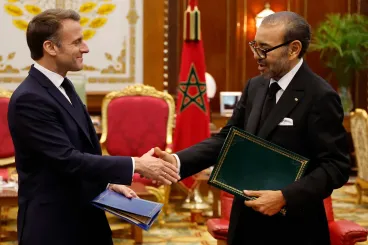
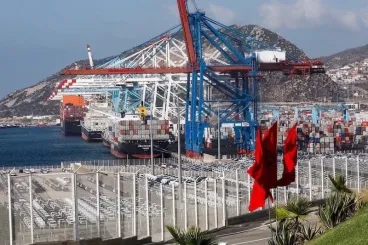
The U.S.-based Stimson Center said Morocco has entered a new phase of strategic repositioning, leveraging its industrial and diplomatic rise to strengthen its role as a bridge between Europe and Africa and establish itself as an emerging regional power.
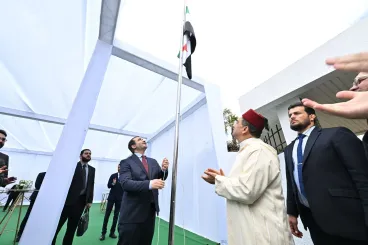
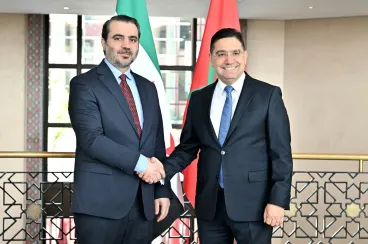
Thirteen years after severing diplomatic relations, Morocco and Syria are beginning a political and institutional rapprochement. Here are the details.
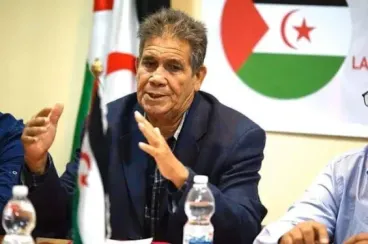
A few days after international condemnations followed the attacks targeting civilian sites in Smara, the Polisario Front is pushing back on both the political and media fronts. While denouncing what it describes as a coordinated campaign orchestrated by Western powers, the Front is carefully avoiding direct criticism of the United States, which initiated the diplomatic response following the attack.
 Les articles les plus...









 chargement...