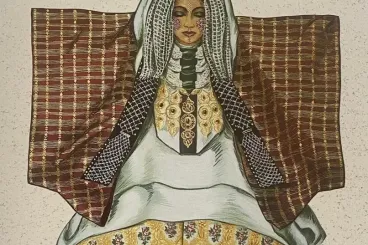
In Morocco, the caftan owes much of its elegance to the nobility of its fabrics, from silk and velvet to rare handwoven textiles such as Behja, Khrib and Denya Jate. As these ancestral weaving traditions fade under the weight of mechanization and changing fashion, specialists like Ichrak Slaoui are working to preserve and pass on a shared heritage.
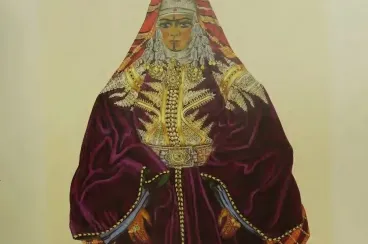
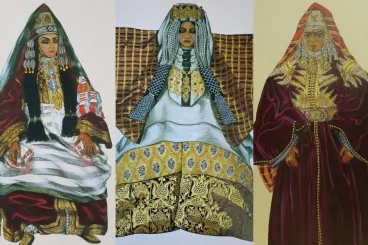
In Rabat and Salé, the traditions surrounding the caftan reflect a blend of local customs, Andalusian influences, and a corsair past. These traditions intersect with those of other cities and regions, notably Fez and Tetouan. These preserved customs have inspired the evolution of the garment over the centuries, right up to the present day.
Among Morocco’s cultural centers shaped by Andalusian heritage, Tetouan is renowned for its distinctive interpretation of the caftan. At the crossroads of local traditions and regional influences, it reflects the region’s craftsmanship and refinement, infused with the elegance of the Nasrid courts. Over time, this style has had a broader influence, notably blending with clothing traditions in Oujda.
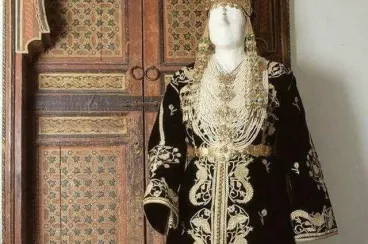
In Fez, the caftan stands as a symbol of Morocco's rich textile heritage, blending Andalusian influences with local craftsmanship to create garments of exquisite luxury and cultural significance. Fashion designer Aziza Belkhayat champions the preservation of this tradition, ensuring that the artistry of the Fez caftan continues to thrive amidst modern innovations.
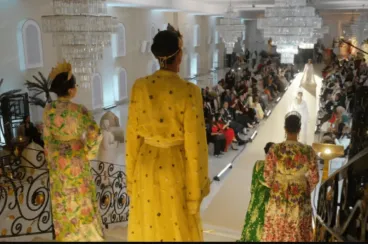
Once a staple of urban attire, the Moroccan caftan is now worn on all special occasions. Recognizable by its long cut, intricate embroidery, refined fabric, and golden belt, this garment has evolved from the 11th and 12th centuries to the present day, earning its place on the high-fashion runway. Telling a story in motion, it has become a cherished fashion piece for religious celebrations, Ramadan evenings, or family gatherings.
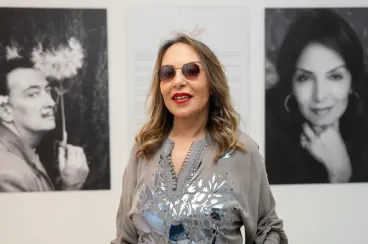
Since the 1980s, Zhor Raïs’s creations have stood out for the distinctive signature of a Moroccan designer whose abundant creativity bridges traditional craftsmanship and contemporary expression. Drawing on a rich diversity of influences, she now celebrates the surrealist universe of Salvador Dalí, infusing it with an intergenerational elegance that reaffirms the caftan’s timeless relevance.
 Les articles les plus...









 chargement...