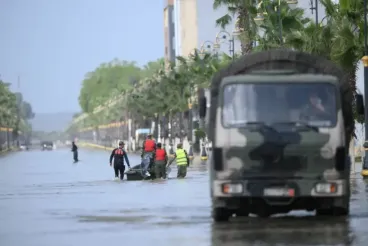
After seven years of persistent drought, Morocco's winter of 2025-2026 shattered records with unprecedented rainfall and snowfall, marking a dramatic climatic shift. The General Directorate of Meteorology attributes this wettest winter since 1981 to changes in atmospheric patterns, which brought intense weather events and underscored the kingdom's climate volatility.
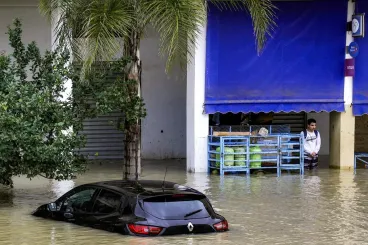
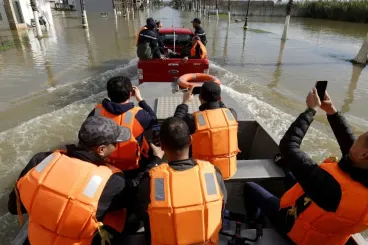
After devastating floods forced evacuations and caused major damage in four northern provinces, Morocco has launched a 3-billion-dirham support plan combining direct financial aid, reconstruction funds, and agricultural assistance. Beyond state aid, insured residents may also seek compensation for damaged cars and homes under specific conditions.
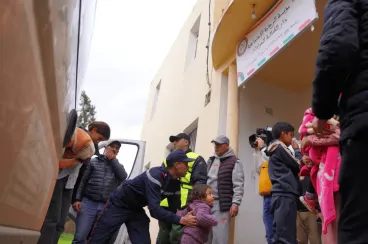
In the aftermath of severe flooding in Ksar El Kebir, local authorities are mobilizing efforts to facilitate the safe return of displaced families before Ramadan. With the backing of a 3 billion dirham government support program and directives from King Mohammed VI, the focus is on restoring essential services and ensuring market supplies, while prioritizing the rehabilitation of heavily impacted areas.
The Moroccan diaspora in France has launched a fundraiser to support residents affected by the current flooding in northern Morocco. The association Réseau, spearheaded by its Paris-based president Fatima Zahra, has collected essential supplies for affected communities.
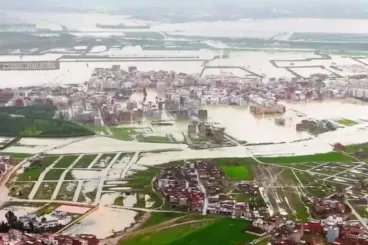
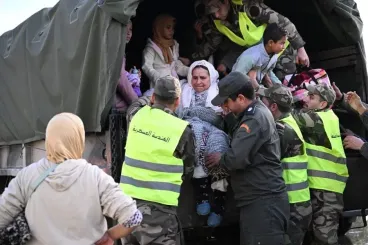
Torrential rains caused severe flooding in northern Morocco, particularly in Ksar El Kebir, have prompted authorities to evacuate nearly 144,000 people and implement wide-ranging preventive measures. The swift response reflects years of institutional reforms and a national strategy which prioritizes anticipating, reducing, and managing natural disaster risks, rather than reacting only after disasters occur.
 Les articles les plus...









 chargement...