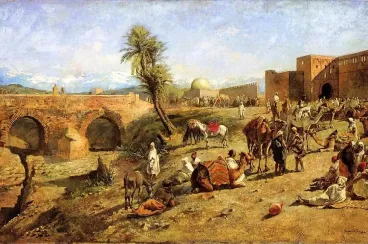
In 19th-century Morocco, travelers and caravans crossing dangerous tribal territories often relied on the zettat, an armed escort hired in exchange for money to guide them safely from one region to another. More than a simple guard, the zettat embodied an entire system of protection, honor, and tribal authority in pre-colonial Morocco.
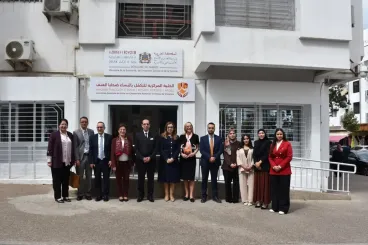
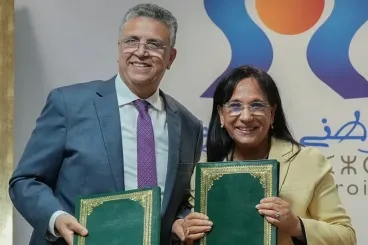
The National Human Rights Council (CNDH) has signed a memorandum of understanding (MoU) with the National Commission for the Coordination of Measures to Combat and Prevent Human Trafficking (CNCLT). This framework aims to harmonize practical tools to strengthen mechanisms and the intervention of actors at the territorial level.
Morocco remained on Tier 2 in the U.S. Trafficking in Persons report, which acknowledged progress in prosecutions, victim identification, and new shelters, but warned that gaps in screening, resources, and frontline capacity continue to undermine efforts.
 Les articles les plus...









 chargement...