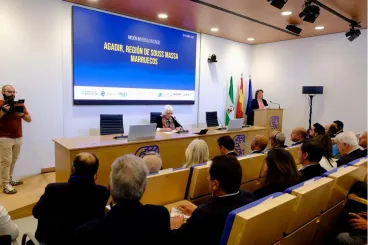
In Spain, terrorist acts committed by the Polisario are rarely mentioned by public authorities and political parties. A silence that a Moroccan research center is trying to break.
A few days after the controversy erupted, the Spanish government in Madrid responded swiftly, giving the city council of Jumilla (Murcia province) one month to overturn a motion banning the use of municipal facilities for Muslim celebrations. If it fails to comply, the government may launch administrative legal proceedings.
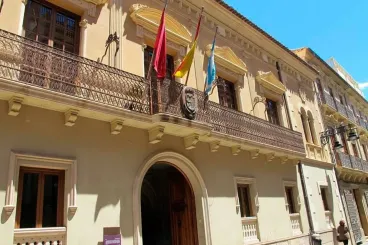
In an unprecedented move, the municipal council of Jumilla, in Spain’s Murcia region, has banned the public celebration of two major Muslim holidays: Eid al-Fitr and Eid al-Adha. The decision, backed by councilors from the conservative People's Party (PP), has sparked controversy in this southern town, home to a significant Moroccan community.
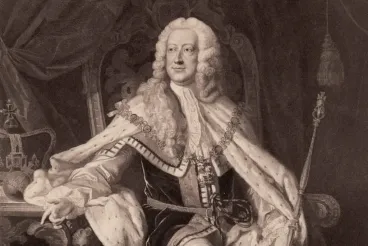
Britain recognized Morocco’s sovereignty over its southern provinces as early as 1721 through a peace treaty that acknowledged Sultan Moulay Ismail’s rule over the Sahara. This recognition was reaffirmed in a later agreement, the 1895 Anglo-Moroccan treaty, which explicitly stated that the lands between Wad Draa and Cape Bojador belong to Morocco.
 Les articles les plus...









 chargement...