


 chargement...


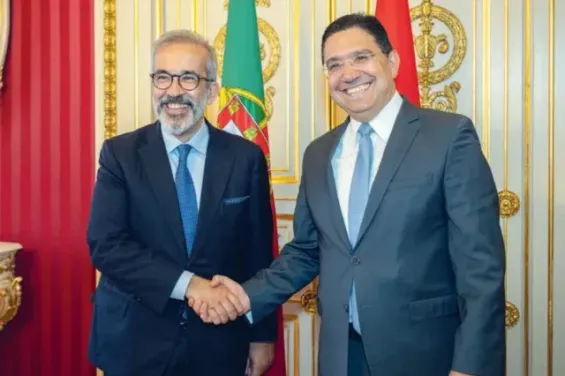
Since 2007, Morocco has steadily stepped up its diplomatic efforts to position its autonomy plan for Western Sahara as the most viable solution to the conflict. But it was after the United States recognized Moroccan sovereignty over the territory in 2020 that momentum truly accelerated, gaining ground across continents, including in regions that had previously leaned toward Algeria, such as parts of Africa and Latin America.
For Rabat, each diplomatic endorsement is seen as a win, but the true significance often lies in the details, especially the exact language used by supporting countries.
A Deliberate Push to Legitimize Autonomy
According to Ricardo Fabiani, Director of the North Africa Project at the International Crisis Group, when countries describe Morocco’s plan as the «most serious and credible» solution, a phrase now echoed by the UK, Spain, and more recently Portugal, it signals «strong support for the autonomy plan, without precluding other options». The wording is carefully chosen, he explains, to avoid provoking Algeria or the Polisario Front by stopping short of outright recognition of Moroccan sovereignty.
«This formulation doesn’t imply full recognition of the Sahara as part of Morocco, but it clearly marks a shift away from the neutral or balanced positions of the past».
A Step Further: Calling It «The Only Basis»
France and the United States, along with several Arab and African countries, have gone further, describing the autonomy plan as the «only basis» for resolving the conflict. This language leaves little room for alternatives and subtly implies recognition of Moroccan sovereignty. That shift matters:
- Ruling Out Other Options: By rejecting the idea of a self-determination referendum, which Algeria and the Polisario continue to demand, Morocco aims to push its opponents to reconsider their stance.
- Implicit Sovereignty: Framing autonomy as the only path forward positions the territory as de facto Moroccan, signaling that Western Sahara should no longer be treated as a non-self-governing region.
- UN Pressure: Fabiani notes that if this consensus grows, it could lead to «Western Sahara to be removed from the UN list of non-self-governing territories, the legal and diplomatic scaffolding around it collapses».
«Morocco is hoping to force Algeria and the Polisario to change position while paving the way for removing Western Sahara from the UN list of non-self-governing territories».
Reactions from Algiers and the Polisario
Neither formulation «serious and credible» nor «the only basis» is acceptable to Algeria or the Polisario, though the former is seen as less confrontational. Algeria, for instance, has responded cautiously to the UK’s new stance, even as it aligns more closely with Morocco’s position. Without their own diplomatic wins, Algerian officials tend to frame these developments as partial or symbolic setbacks.
For Morocco, diplomatic momentum is clearly in its favor. Each statement of support is scrutinized not just for what it says, but how it’s said. The big question now is whether these expressions of support will turn into concrete actions, like opening consulates in cities such as Laayoune and Dakhla, or building a coalition to support implementing the autonomy plan.
By trying to close the legal chapter on the Sahara, most notably by seeking its removal from the UN’s list, Morocco hopes to make any future challenge nearly impossible. Still, Fabiani points out: «While this move would not end the conflict per se, it would remove a major thorn in the side for Morocco and 'normalise' the status quo».




 Fil Info