Mini versions of Ramadan favorites, from pizza to pastilla, are becoming a growing trend in Morocco, bringing variety and visual appeal to the iftar table. Beyond aesthetics, they offer a practical solution to food waste.
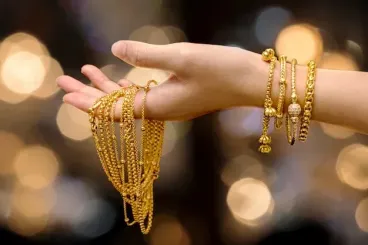
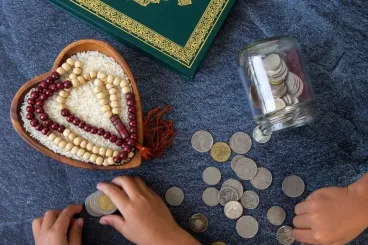
As Eid approaches, social media has been flooded with posts about «Hak Lmalh», presented as an old Moroccan tradition in which a husband gifts his wife gold after Ramadan. But how much truth is there behind this viral tradition?
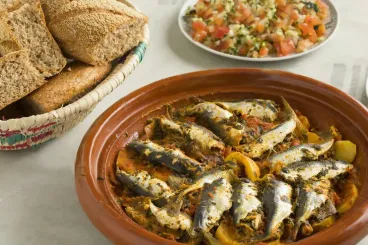
Fish is a beloved staple of Ramadan iftar in Morocco, often appearing as a simple but flavorful dish prepared with chermoula, especially in the form of sardines. The tradition runs deep, so much so that similar fish recipes already appear in medieval Moroccan cookbooks.
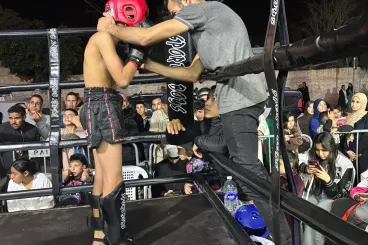
In the heart of Tikiouine, Agadir, the As. Sport Boys Tikiouine Champion-Making Project Association has turned a street into a vibrant kickboxing arena during Ramadan, offering a positive outlet for youth amid the holy month. This groundbreaking initiative not only fosters community spirit but also aims to discover and nurture future kickboxing talents.
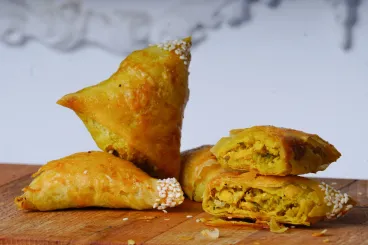
Briwat is a staple of Ramadan iftar tables, filled with ingredients ranging from almond paste to seafood, chicken, or minced meat. In Almohad Marrakech, the sweet version was favored by the royal court and elites, while the savory minced-meat version was popular among the wider population.
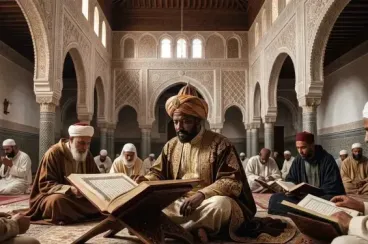
During the golden age of the Saadian dynasty under Sultan Ahmad al-Mansur al-Dhahabi, Ramadan was a time of religious devotion and scholarly gatherings, highlighting the Sultan's role as a protector of the faith. However, following his death, the dynasty plunged into chaos, with internal conflicts leading to the suspension of religious practices and the closure of mosques, starkly contrasting the vibrant spiritual life of al-Mansur's reign.
 Les articles les plus...









 chargement...